Japanese Toilets
Toilets in Japan
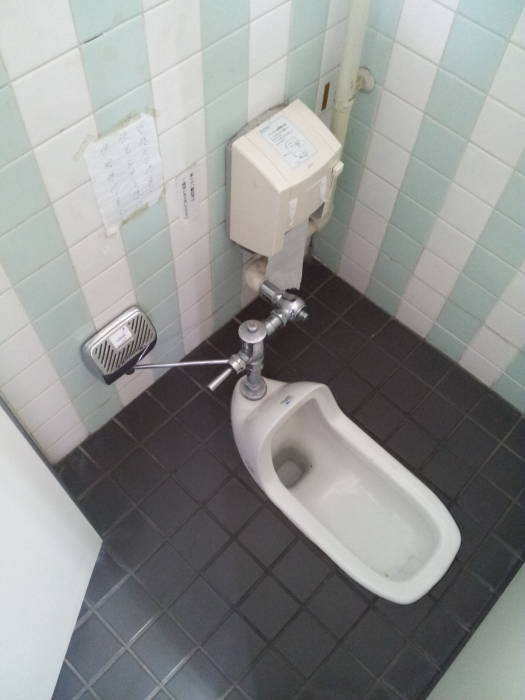
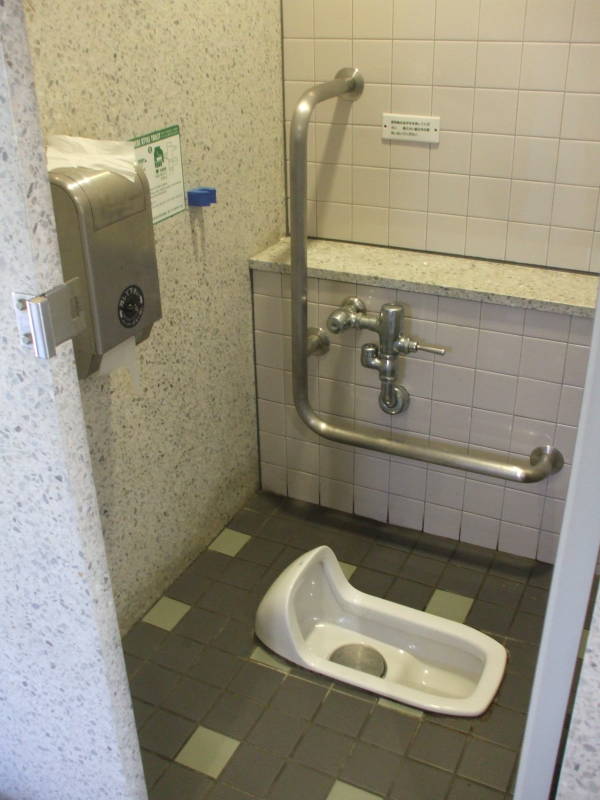
Japanese toilets have been very different from those in North America or western Europe. Traditional Japanese toilets have been small, clean squat toilets with a distinctive design. Starting in the 1980s, Japan moved far ahead of the rest of the world in designing highly technical raised porcelain commodes with complicated controls for built-in bidet function, air-drying, a heated seat, and more. Now those once futuristic Japanese-style toilets are being sold in North America and Europe. Let's see the range of Japanese toilet designs from the simple to the complex. Here's a simple one to start with, a squat toilet at the Kosho-ji temple in Kyōto, home of the Shinshu Kosho sect of Buddhism.
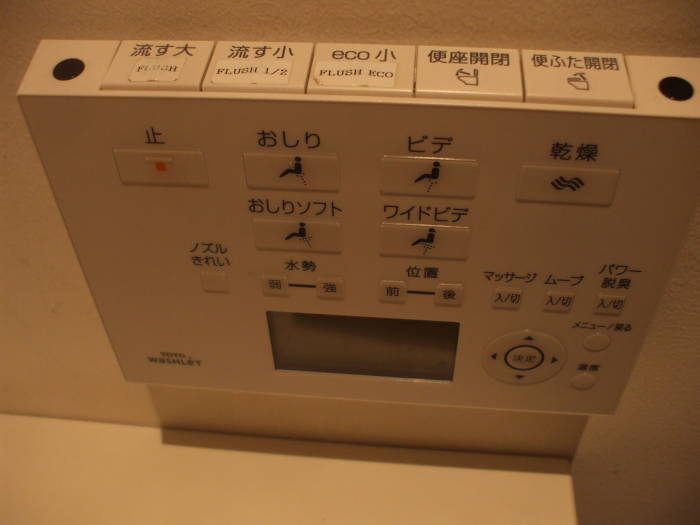
And here's one of the more complex multi-function toilet control panels I have encountered. Fortunately, the proprieters at the Bunka Hostel in Tōkyō have made things easier for their foreign guests by applying English-language labels.
How Do You Find a Toilet in Japan?
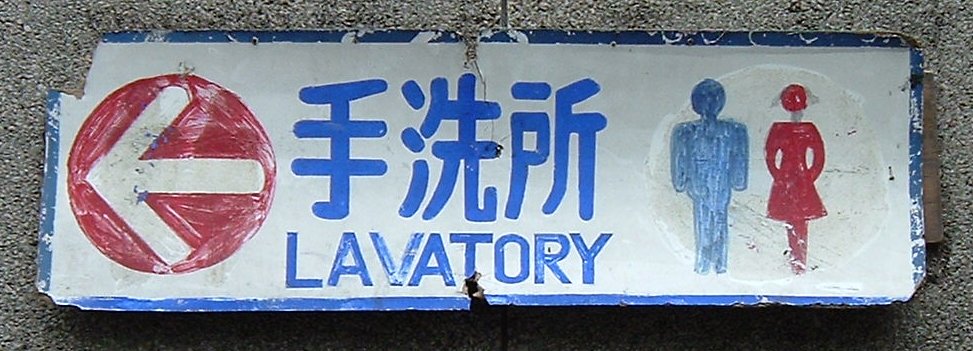
This sign points the way to the public toilets in Ueno Park in Tokyo.
Ueno Park, or Ueno Kōen, is the former site of the Kan'ei-ji, the temple of the Tokugawa shōguns who guarded the north-east approach to Edo Castle. The park was established in 1924 by a land grant to the city of Tokyo from Emperor Taishō, the father of the Shōwa Emperor or Emperor Hirohito, who ruled Japan through World War II and until 1989.
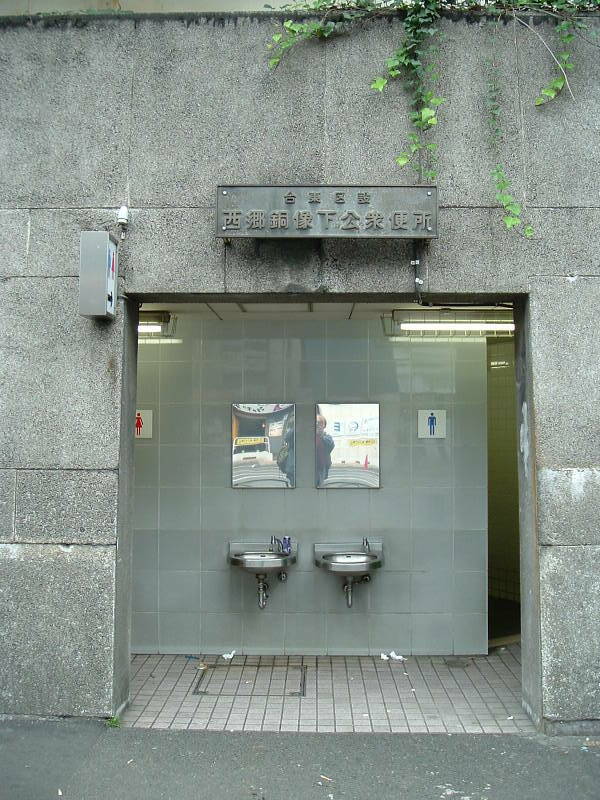
Here we see the entrance to a public lavatory in Ueno Park. There are stainless steel sinks and mirrors (showing the Toilet Guru photographing the facilities!), and the standard silhouette outlines for the men and women.
Japanese Toilet Logistics
You remove your shoes when you enter a Japanese home, or a ryokan or traditional inn, changing to the provided slippers. But then you change from them to specialized bathroom slippers kept next to its door, so you don't track anything from the bathroom into the house.
| English | Rōmaji | Katakana | Hiragana | Kanji |
| toilet | toire | トイレ | といれ |

|
| male |

|
|||
| female |

|
To ask "Where is the toilet?", try this:
Toire wa doko desu ka?
If you pantomine "I really really have to go!", hopping about and looking desparate, realize that you may be misunderstood. Omorashi (or オモラシ in Katakana, おもらし in Hiragana) is one of the many fetish subcultures in Japan. Omorashi participants are sexually aroused by desperation caused by a pressing need to urinate. Some are sexually aroused by someone else exhibiting visible anxiety caused by an overly full bladder, others are aroused when they are the ones who have to go.
You frequently see English language signs in Japan
including on toilet doors.
Often there are the stick figures you see all
around the world.
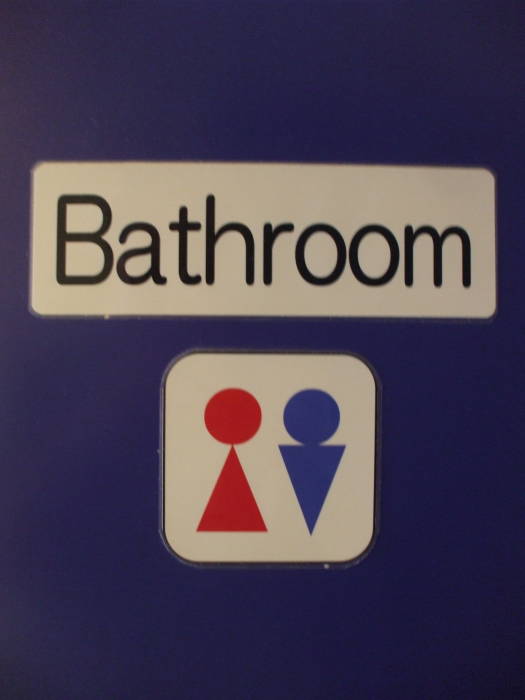
But be ready for nothing but the triangle-and-ball
symbols.
Women:
a red triangle pointing up.
Men:
a black or blue triangle pointing down.
Here's a sign from a one-person bathroom for both.
Japanese Toilet History
The Kamakura Shōgunate (1185-1333) encouraged two crops of wheat. Human extreta became valuable fertilizer, and waste storage pits became common.
Western styles became popular with the Meiji Restoration of 1868 and the opening of Japan to the outside world. By about 1900 the Nippon Pottery Friendship Company was established in Nagoya to manufacture and export white porcelain products including flush toilets and urinals.
In 1959 the Japan Housing Authority adopted Western style toilet bowls. The Western Housing Corporation popularized a western style toilet with a corner type tank.
How Do You Use a Japanese Toilet?
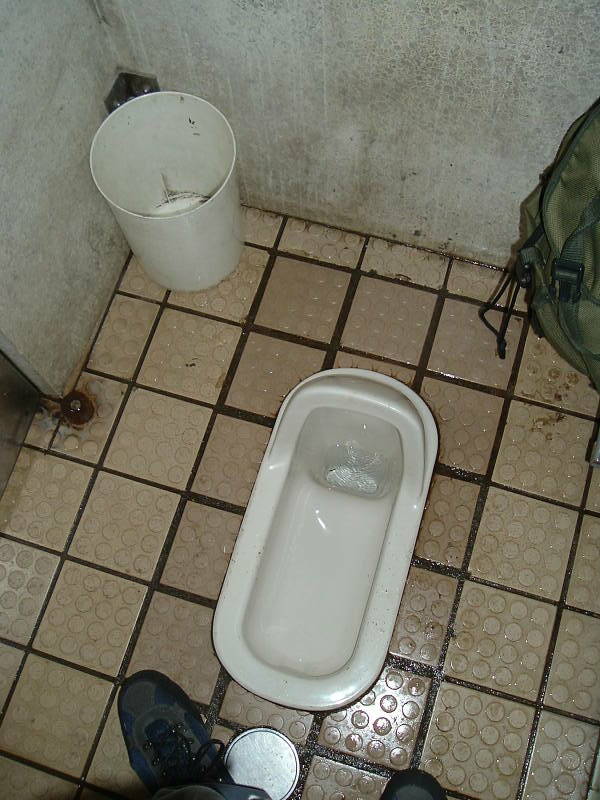
Here you can clearly see the toilet itself. It is the traditional washiki Japanese style: a narrow squat toilet with a hemispherical shield or hood at the drain end.
Squat facing toward the hood, it's there to catch stray urine streams.
In homes and ryokan or guesthouses you will find special slippers just outside the toilet door. You are supposed to put those on when you go into the toilet and remove them when you come out. If you have Godzilla-sized feet like mine, good luck somehow shuffling through the door with some of your toes barely through the loop that is supposed to go around your entire foot.
You also see the white plastic rubbish bin in the corner. As discussed on the "Bowl or Bin?" page, Japan is well to the east of the Paper Curtain, the line dividing the world in terms of what one does with used toilet paper. Does it go into the bowl or into the bin?
It used to be the case in Japan that you put used toilet paper into a rubbish bin. But that was maybe in 2000 or earlier. Now you put the used paper into the bowl. In the following pages you will find many examples of signs explaining this for foreign visitors.
As for the paper, you will encounter people handing out packets of tissue paper on the streets. It's a common form of advertising. But it's not as common as it used to be, probably because most public toilets now have paper.
Don't Worry, There are Choices and Explanations
Many times there will be both squat toilets and western-style raised commode seats. Smaller train station and temples and shrines may have nothing but squat toilets, but often there are stall doors labeled "WESTERN".
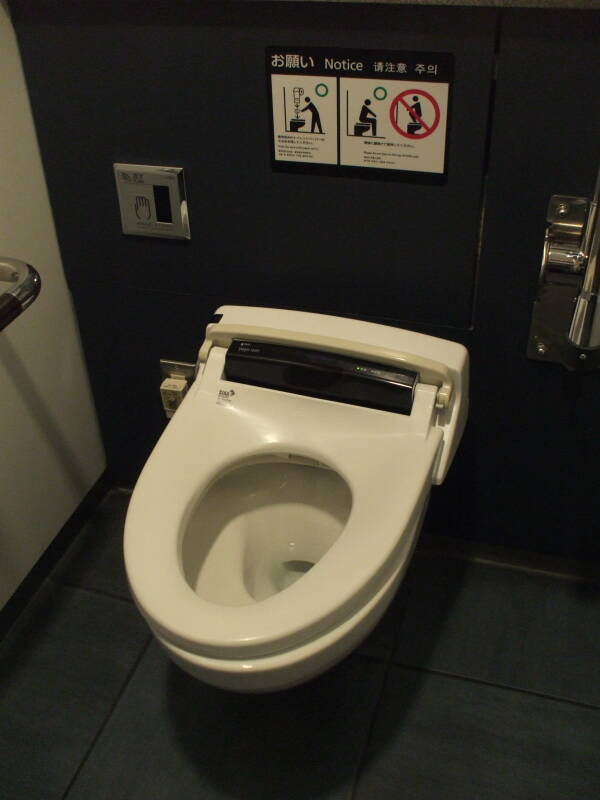
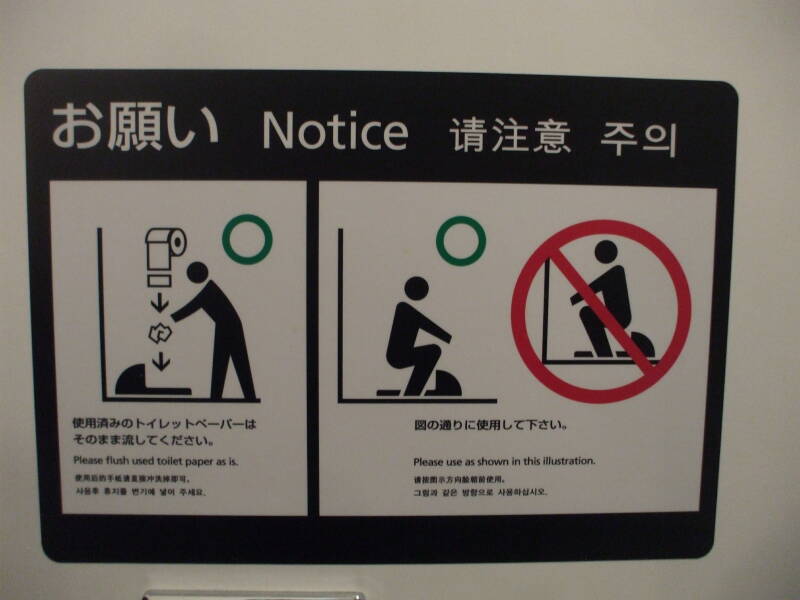
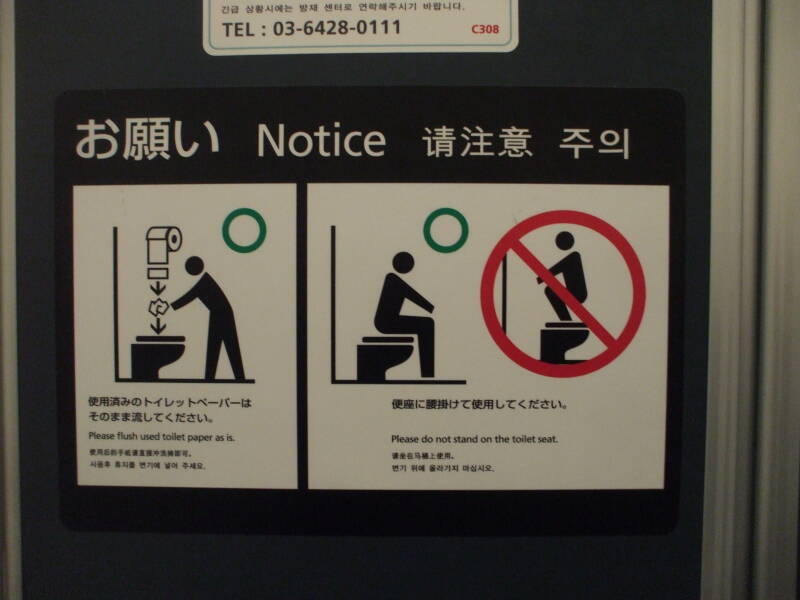
Tokyo Haneda Airport might be your point of entry to Japan. As you can see here, that airport has both squat and raised toilets. Signs explain how to use both styles. Plus, there are detailed explanations for the complicated controls for raised seats. Don't climb up onto the bowl or squat backwards!
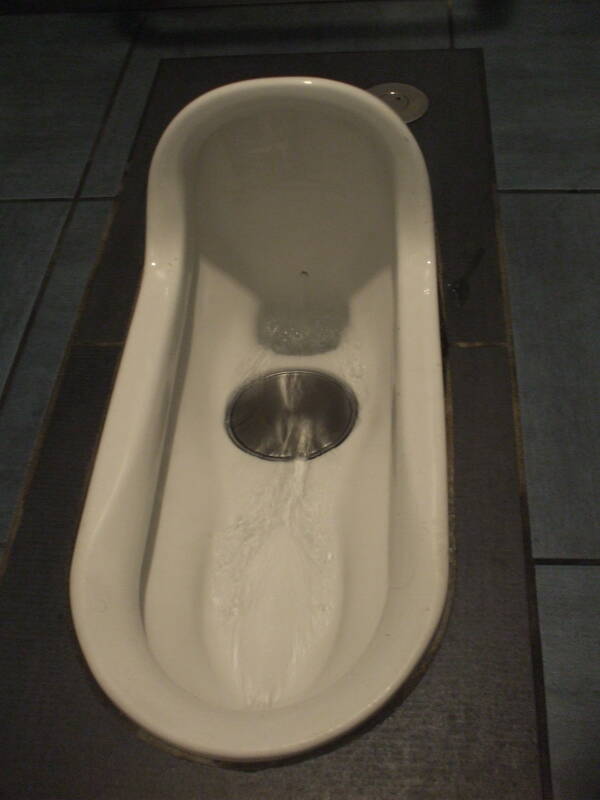
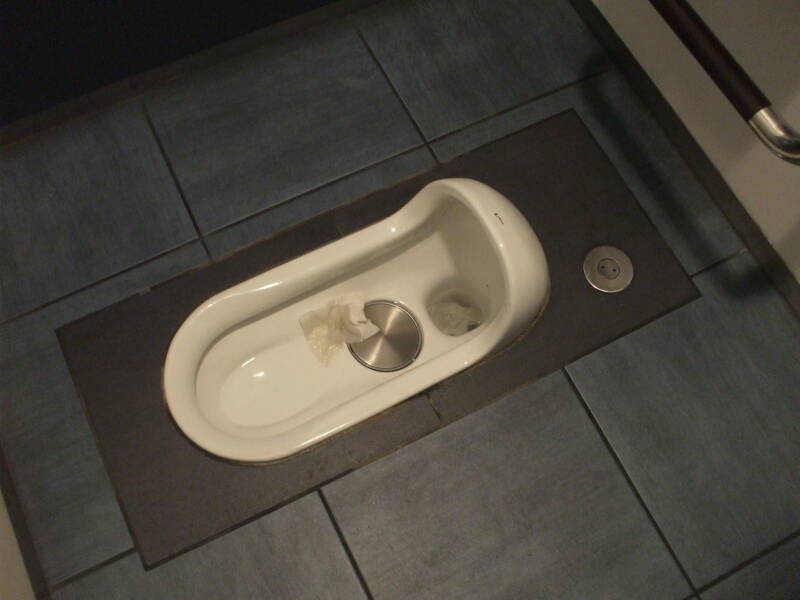
As it explains, you squat facing toward the end with the amphitheater-shaped bowl. Notice that the example above provides a sturdy handrail to help you get up and down, and remain stable. Imagine that you're Godzilla and you're about to completely ruin a performance at the outdoor theater.
You can remove your trousers as you are in a locked private cabin. These aren't the crude and intentionally non-private public toilets you have to use in the U.S. There will probably be a shelf where you can set whatever you're carrying, and a hook for a coat and, if you want, your trousers and underwear.
Control
Panels
If you chose the raised seat commode, you will have a control panel. Hopefully you will have a nice explanation the first few times, like this one at the airport.
This control panel is actually pretty simple compared to some that you will encounter in Japan. See the page on high-tech control panels for more complex examples.
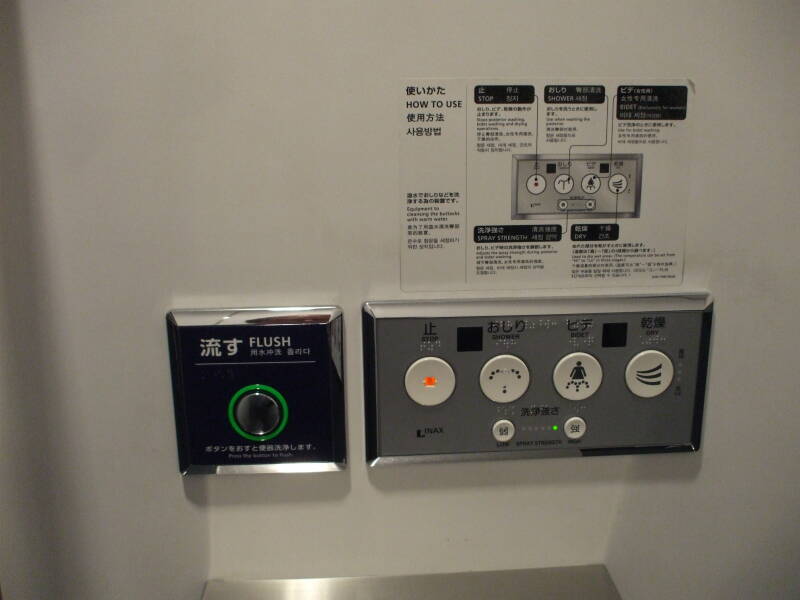
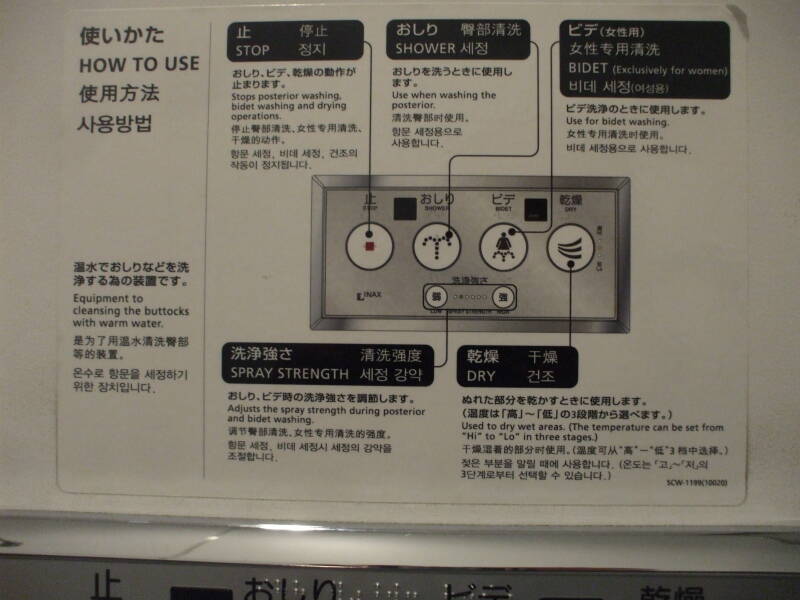
You see Japanese, English, Chinese, and Korean on these signs, as is common in Japan. Some things are labeled in Japanese only. English is still the most common second language. However, Chinese and Korean are quickly becoming at least as common as English. Those are the native languages of the largest numbers of foreign visitors.
Big Flush, Little Flush
Japanese toilets typically have dual-flush capability. However, whether the handle goes up, down, left, or right for the big or little flush depends on the manufacturer.
Learn the Kanji for "large" and "small".
They're in the set of
80 kanji symbols children learn in first grade.
You need to know just these two.
大 = large
小 = small
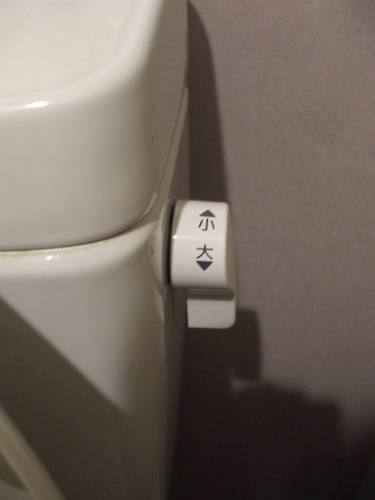
Down for a big flush, up for a little flush.
At the Khaosan World Asakusa Ryokan and Hostel
in Tokyo.
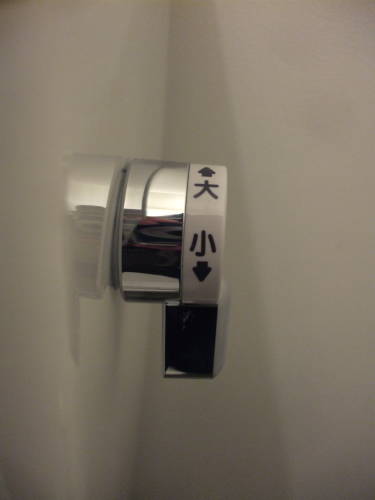
Up for a big flush, down for a little flush.
At the Kokuu Koyasan Guest House in Koyasan.
Can I Build Scale Model Japanese Toilets?
Yes!
Japanese toilet manufacturer Toto offers a line of paper craft toilets and kitchens. Download the PDF files with the cut-out patterns and instructions, and build your own 1/8 scale toilets, counters, kitchens, public restroom, and more.
Osaka Public Toilets
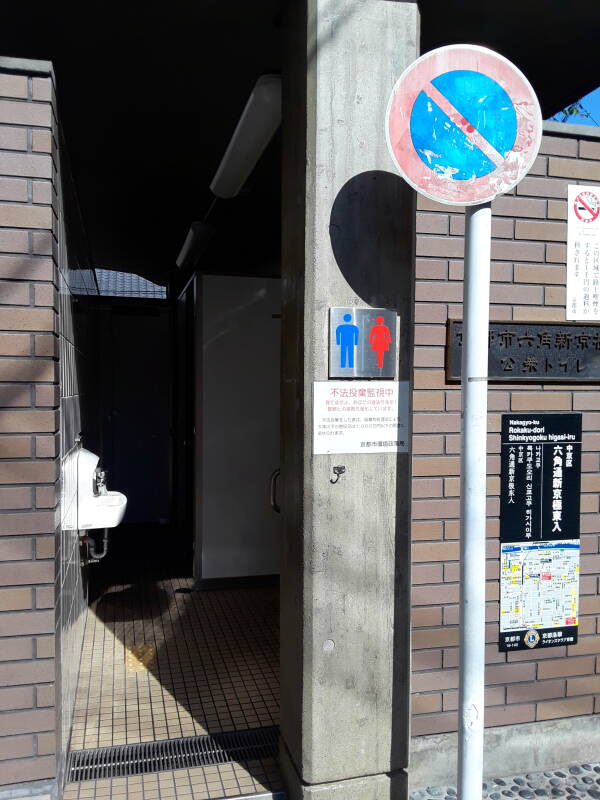
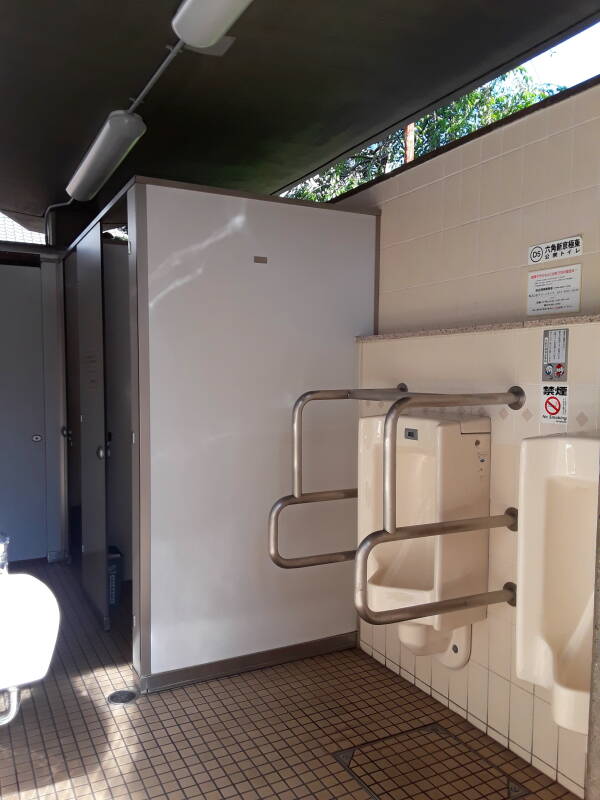
These are a little more open to the public than some foreign visitors are accustomed to.
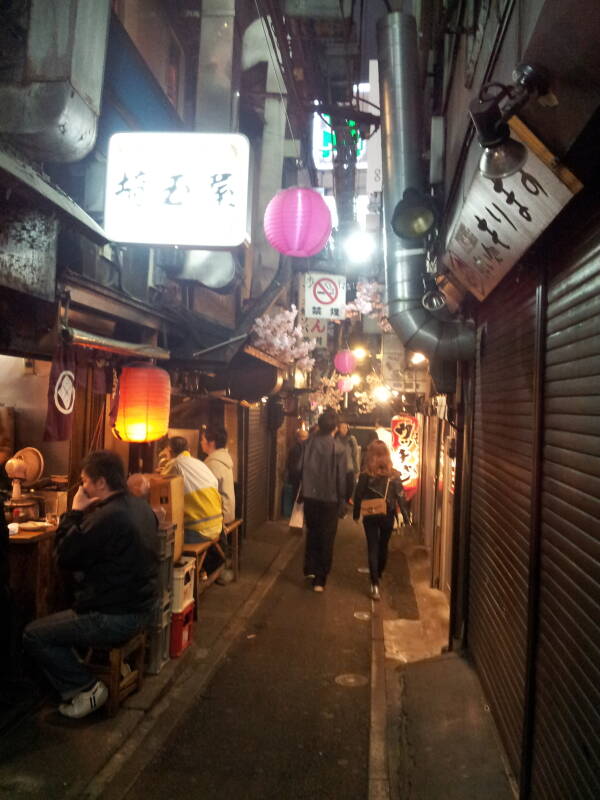
"Memory Alley" Below the Tracks at Tokyo Shinjuku Station
Omoide Yokocho or "Memory Alley" is a complex of small izakaya, taverns or grills, beside and below the tracks on the north side of Shinjuku Station in Tokyo.
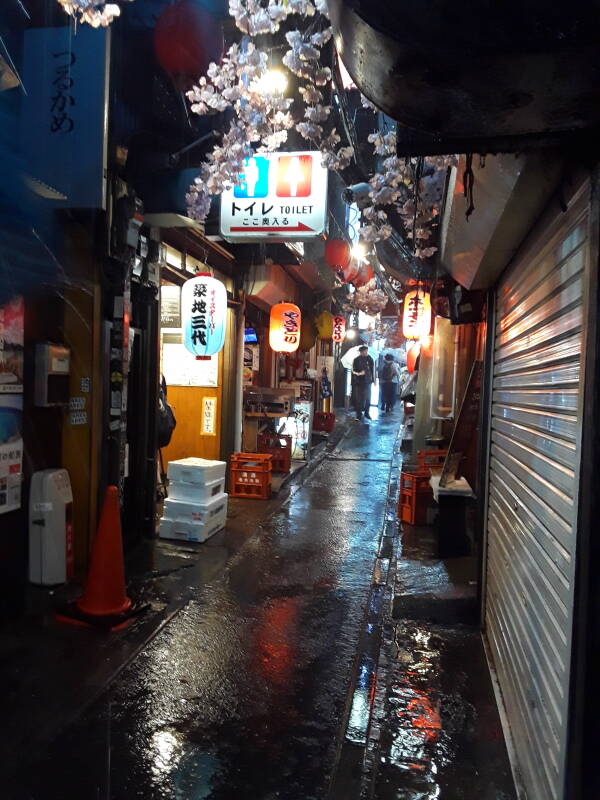
And look, above and below are signs pointing the way to the toilet in this area.
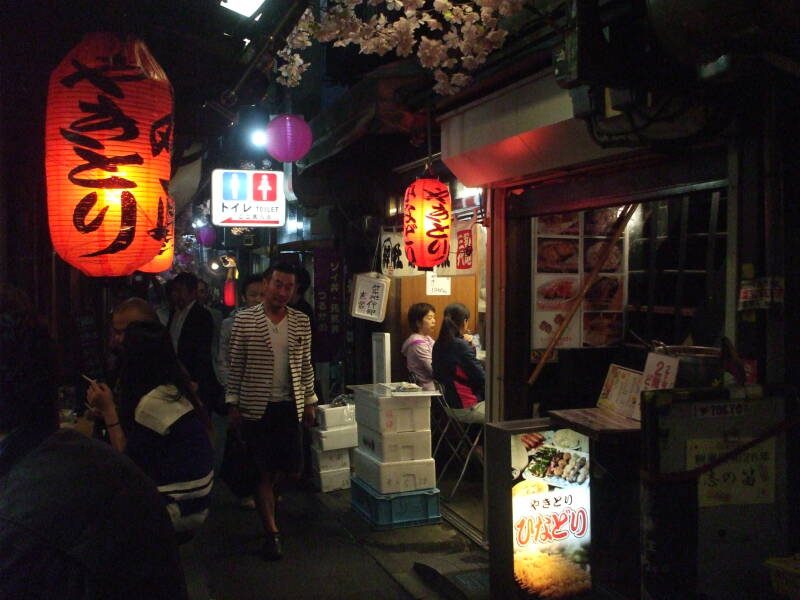
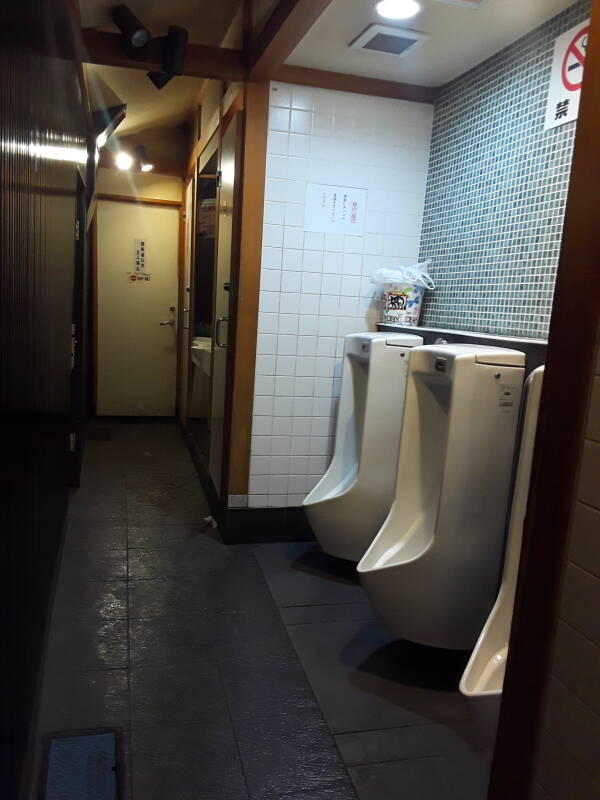
Let's check it out:
Keeping Deer Out of the Toilets at Itsukushima
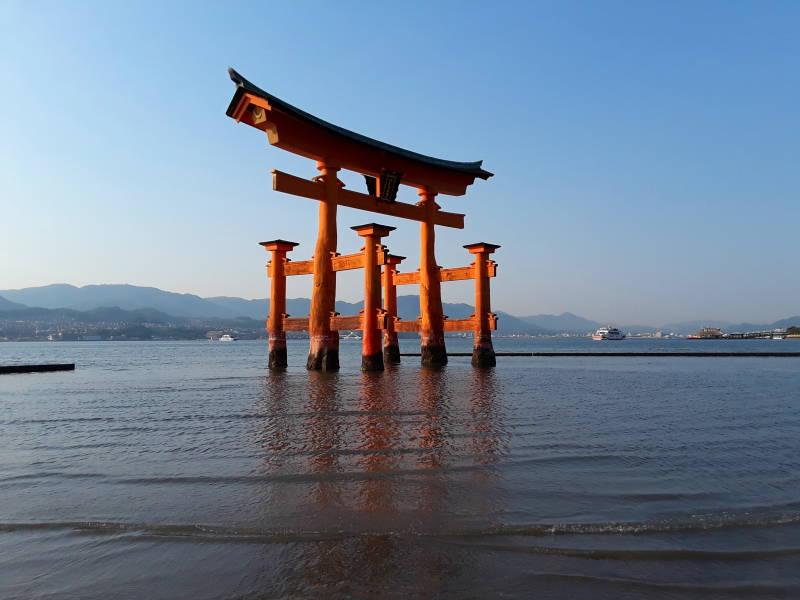
Itsukushima Shrine is a prominent Shintō shrine on an island across the bay from Hiroshima.
The island is home to many tame deer, which visitors delight in feeding.
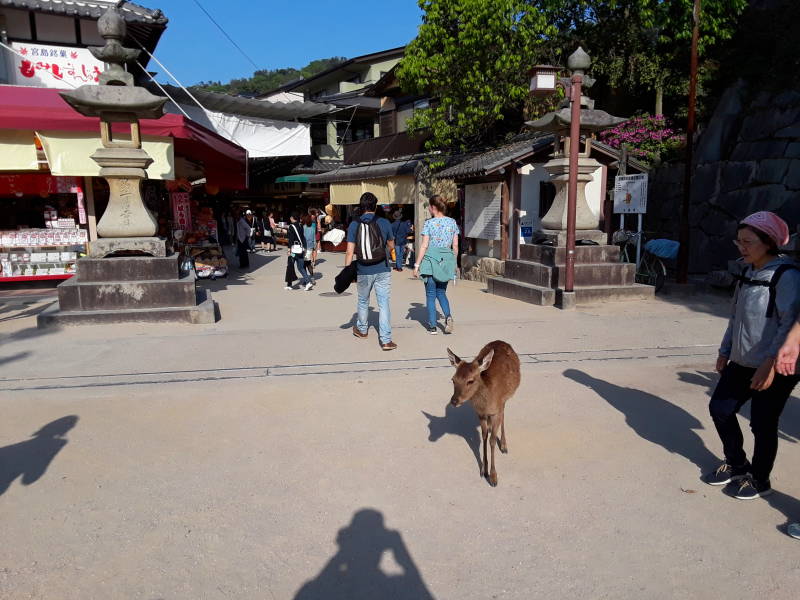
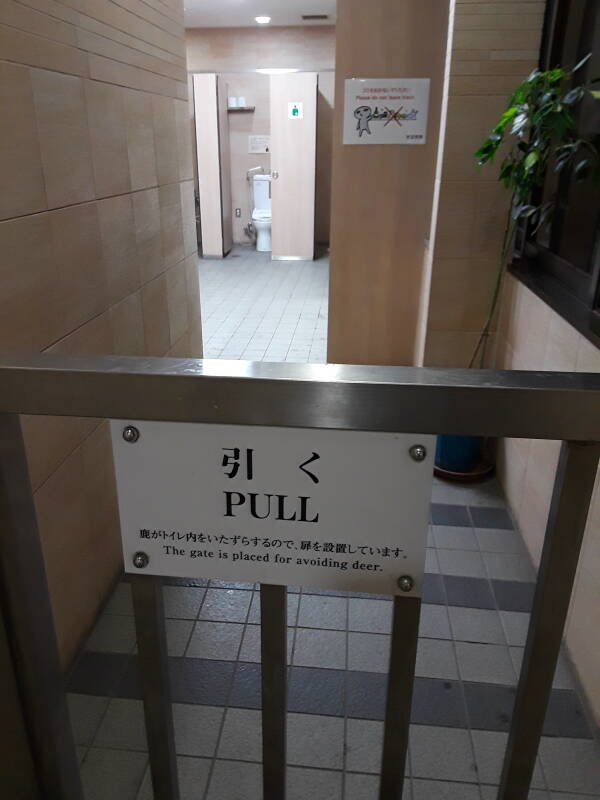
The deer are so tame that the human toilets need spring-closed gates to keep the deer out.
Nagasaki Toilets
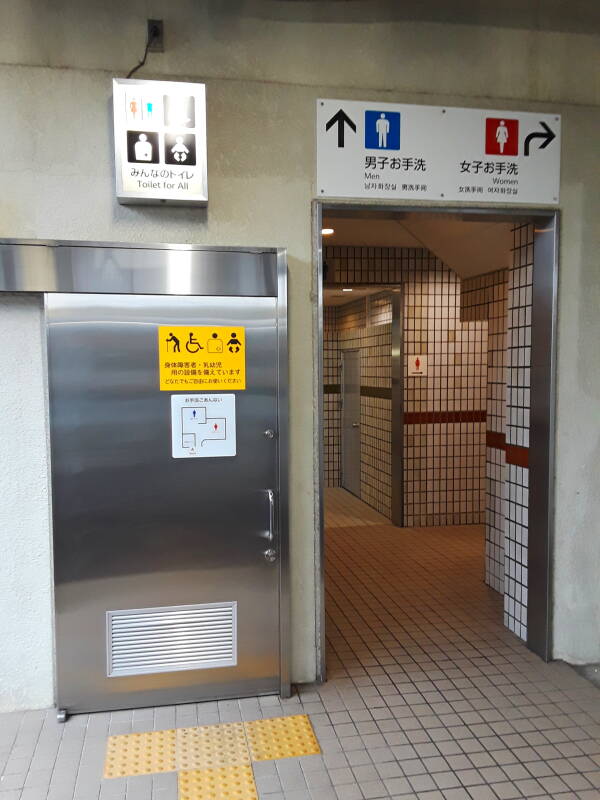
The train station at Nagasaki has a clean set of public toilets.
A toilet at Hostel Akari in Nagasaki demonstrates clever design and architecture, making the most of limited space. It includes the typical sink built into the top of the tank.
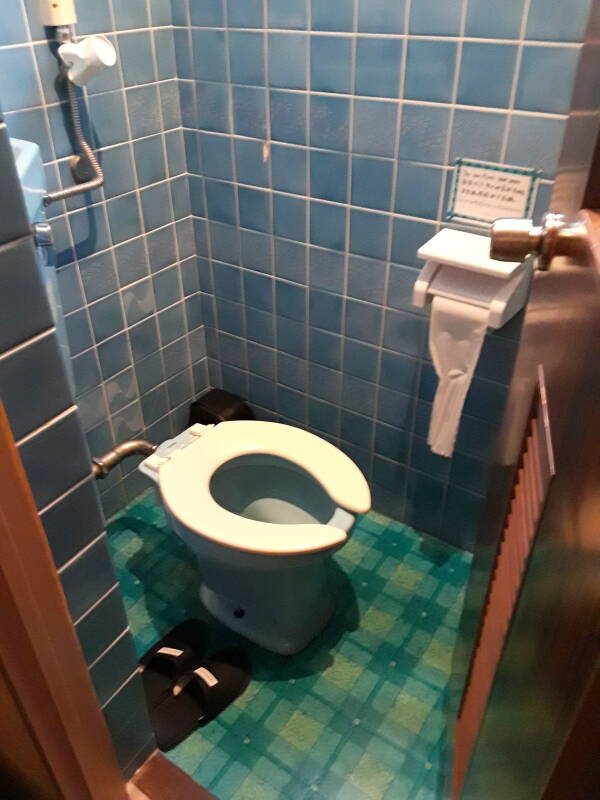
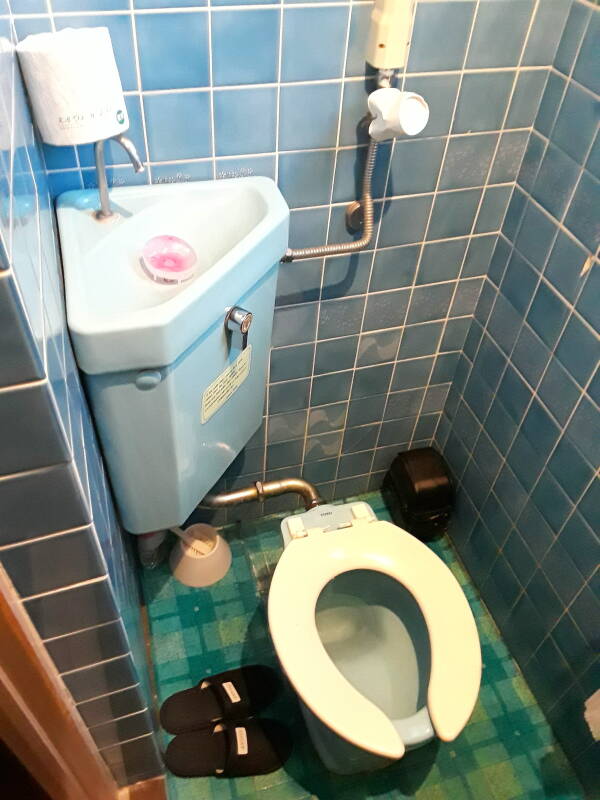
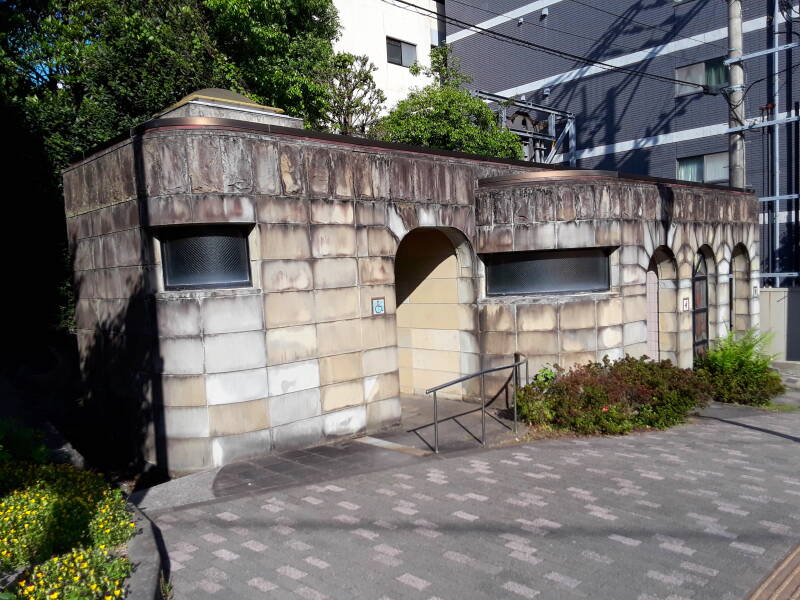
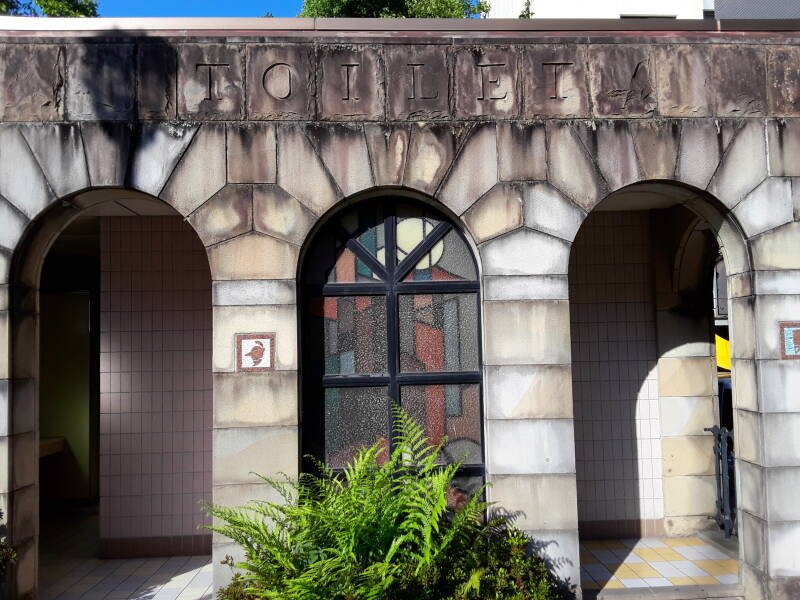
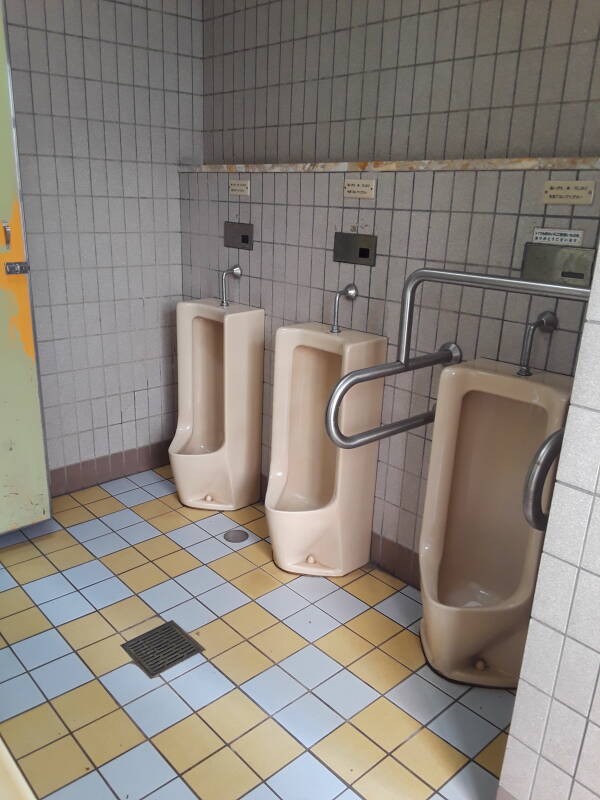
This public toilet in Nagasaki, near the Nagasaki Air Defense Bunker in the Tateyama district, looks to me like a design from the 1920s or 1930s. It's in a district that was shielded from the nuclear bomb in 1945, so it might predate the war.
Amazon
ASIN: B00B6VQ13C
Amazon
ASIN: B09DD1TN2S
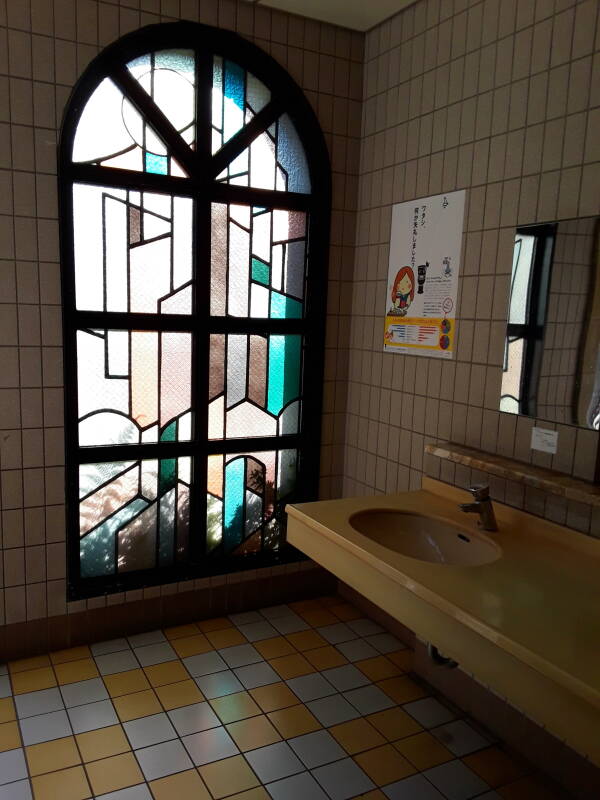
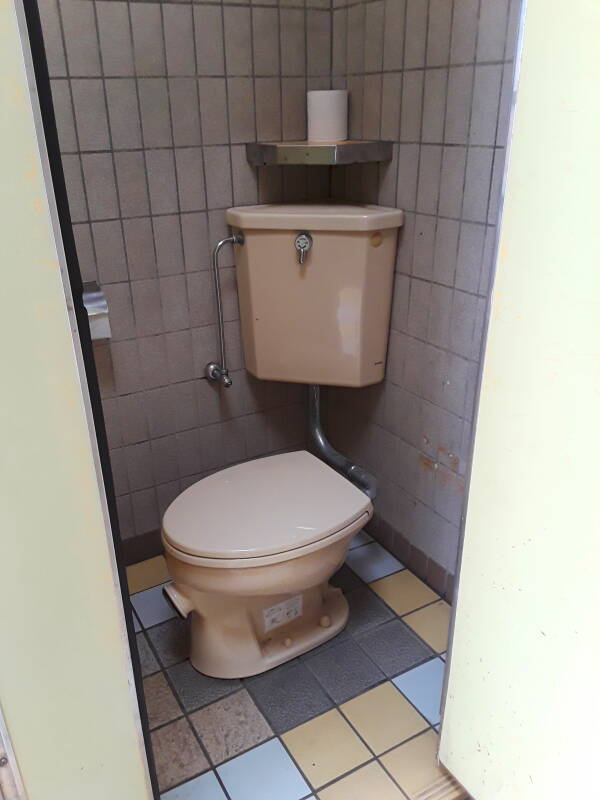
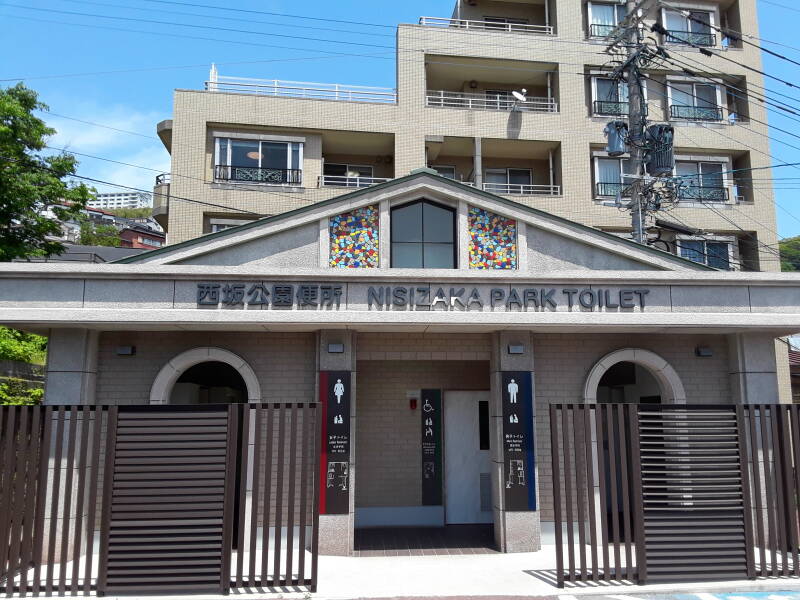
This public toilet is at Nisizaka Park, next to the 26 Martyr's Shrine commemorating Japanese citizens killed for their Christian faith under the rule of the Shōgun.
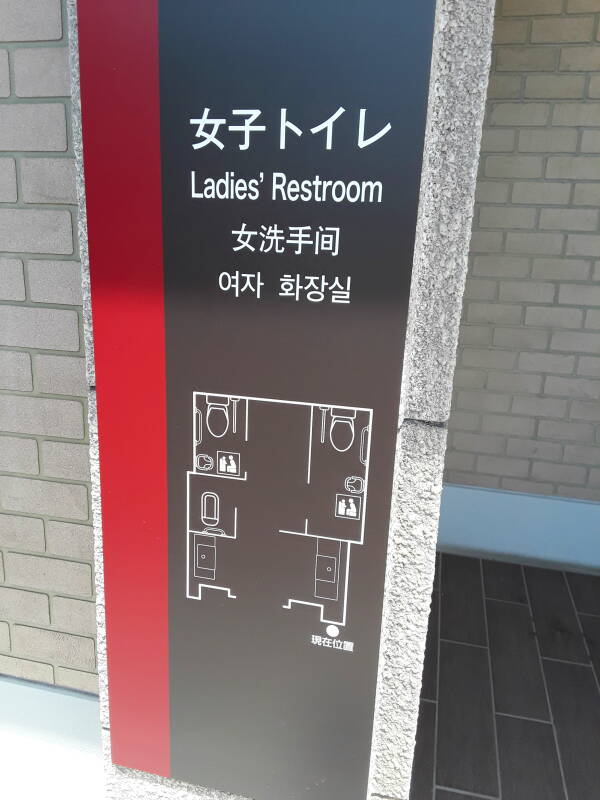
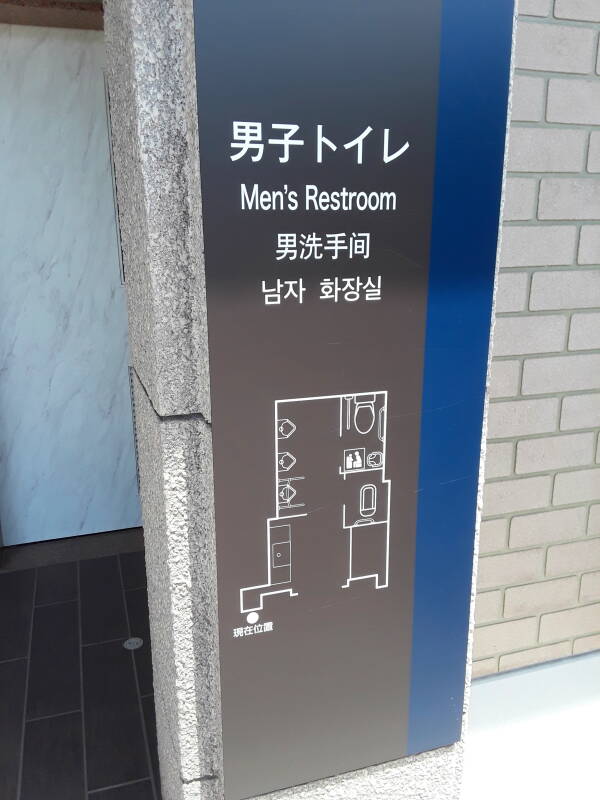
The floor plans show the mix of squat and raised seat toilets.
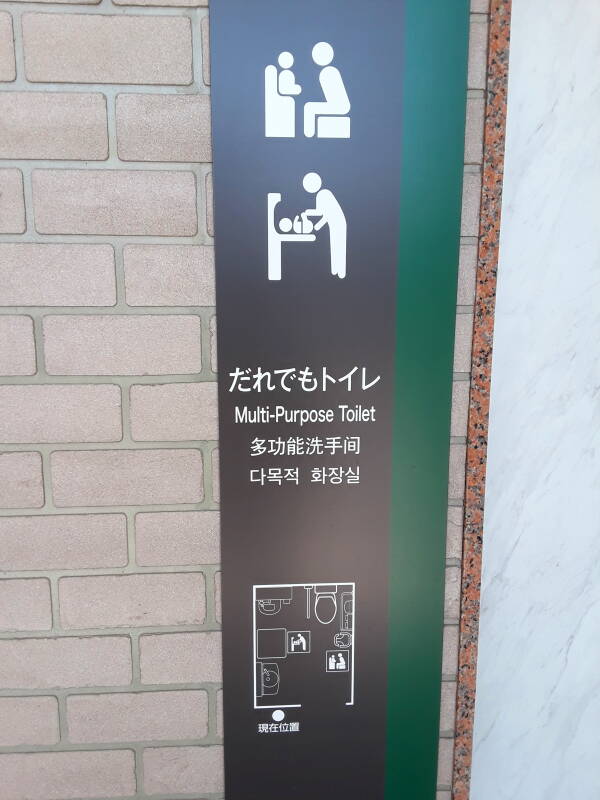
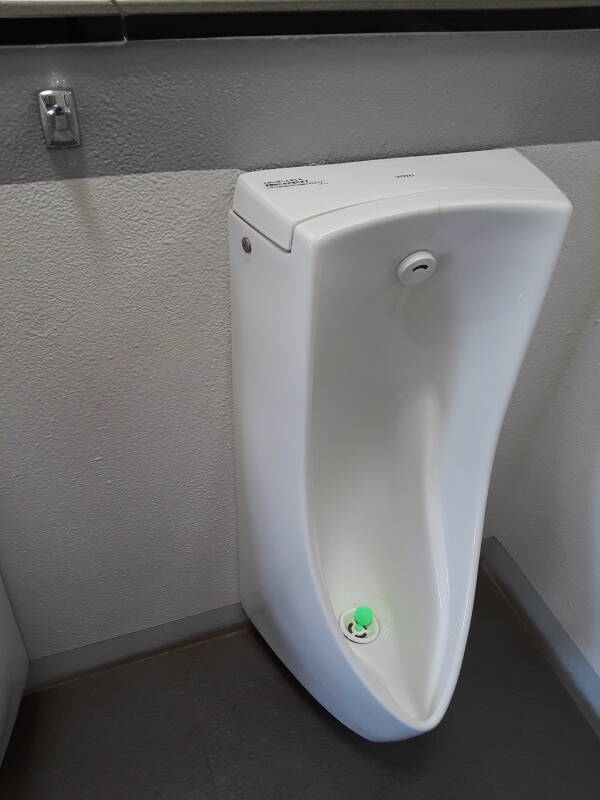
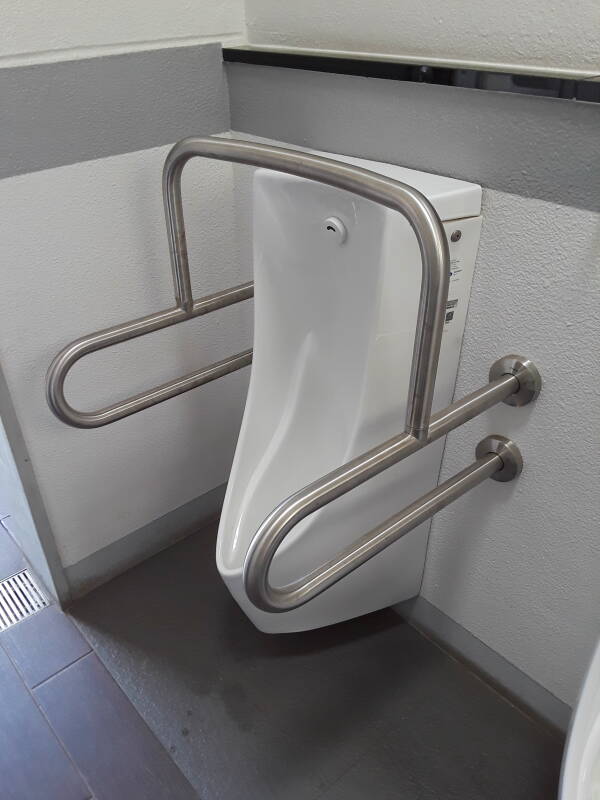
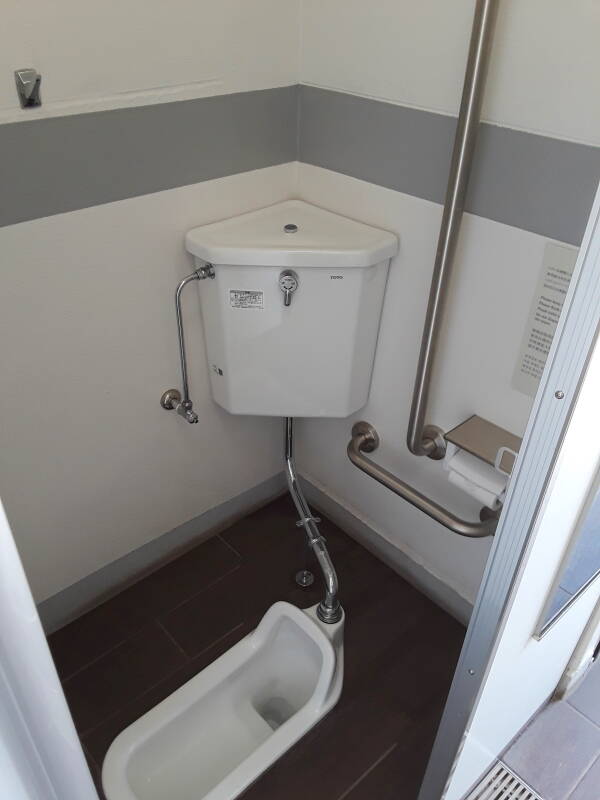
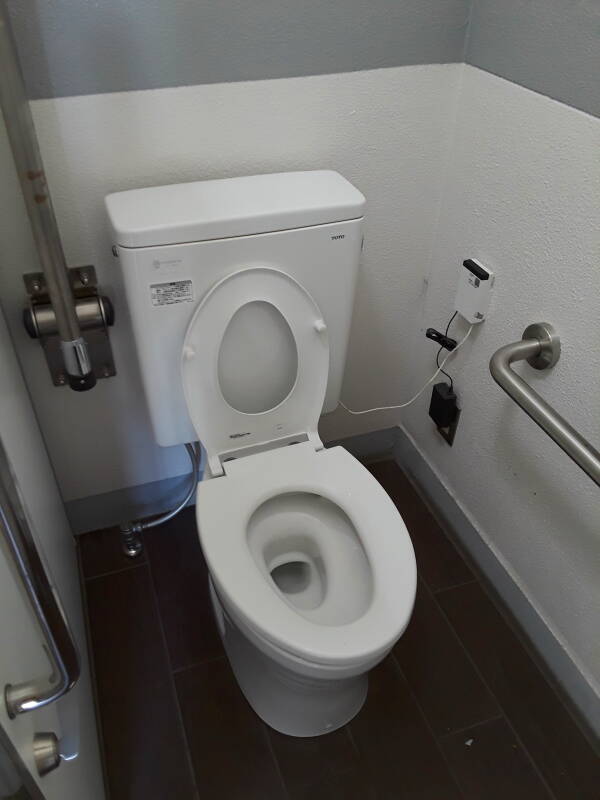
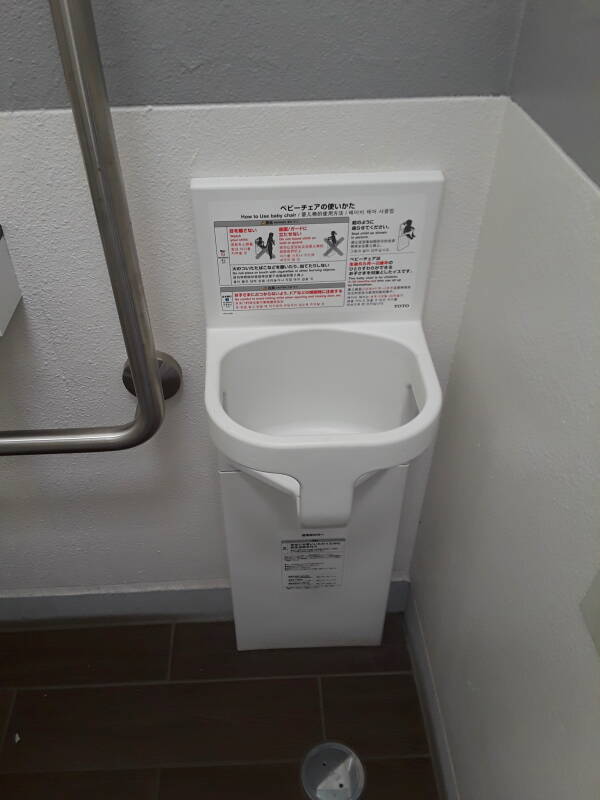
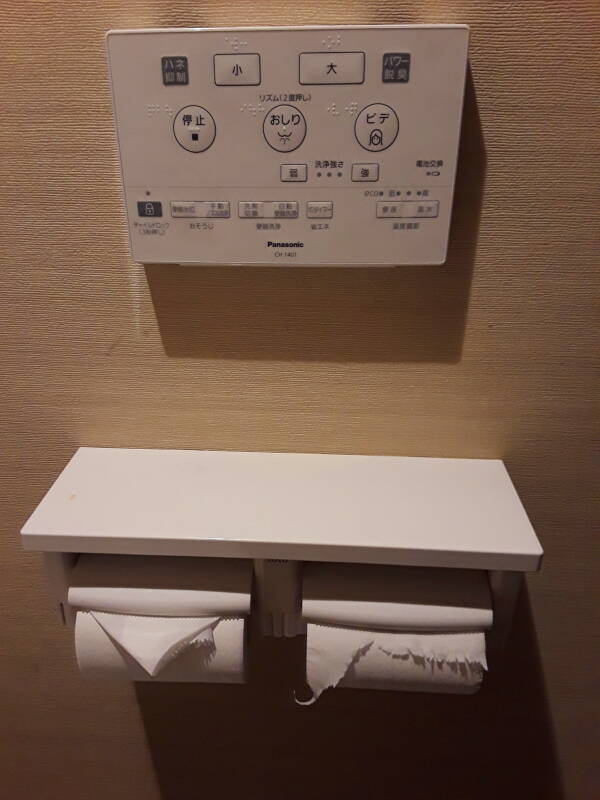
A pub in Nagasaki has a nice supply of toilet paper below a complex control panel. More on those in a couple of pages.
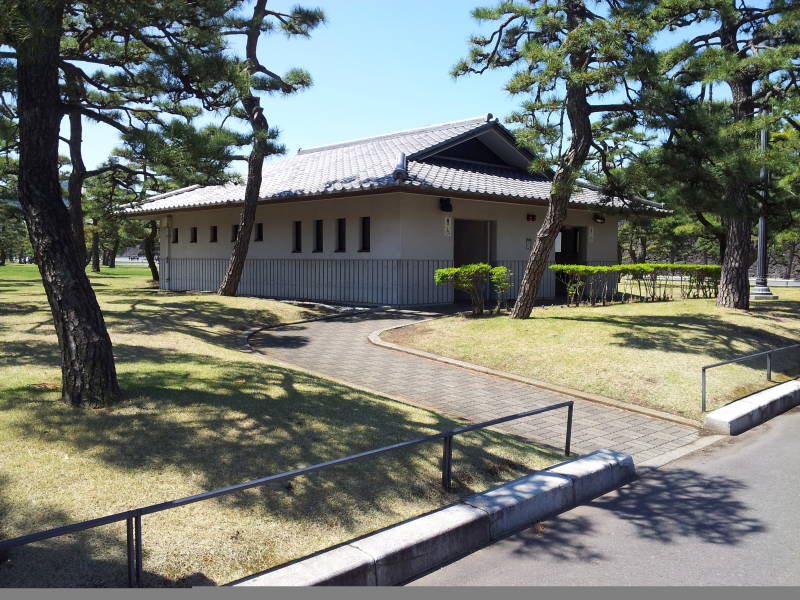
At the Imperial Palace
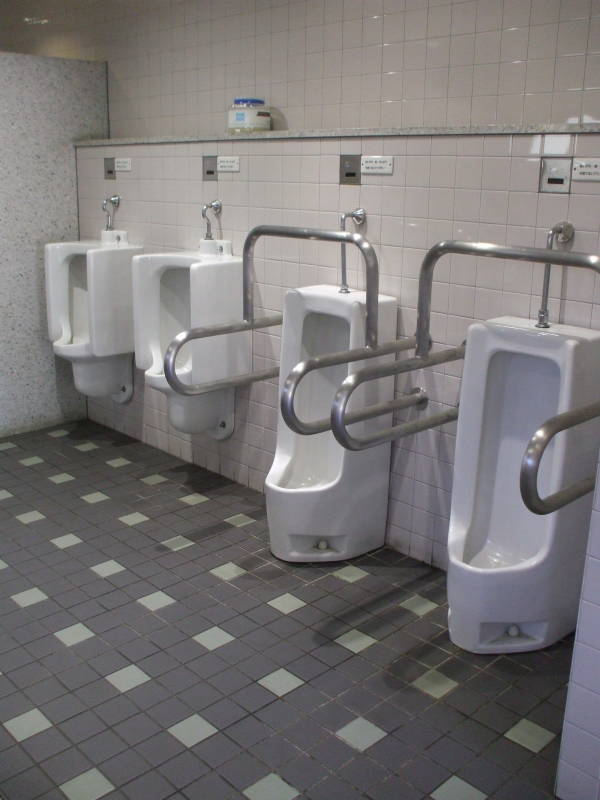
These are at the park near the Imperial Palace in central Tokyo.
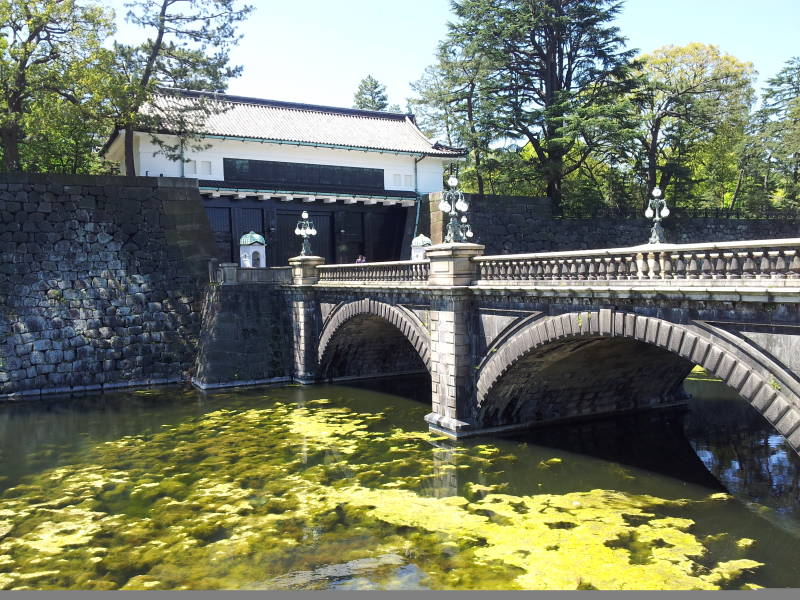
The moat around the Imperial Palace itself could use a little flushing out.